
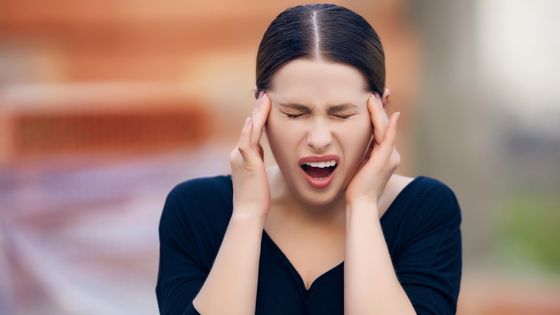
A migraine is a neurological illness that can be caused due to various reasons. It is a type of headache with a very bad ache. A person can feel throbbing pain for days. Migraine also increases sensitivity to light and sound. Along with an intense headache, a person can face other symptoms like nausea, vomiting, numbness, difficulty speaking, sensitivity to light, etc. Migraines can run in families and can affect people of all ages. This condition is more common in females than males.
Stages of Migraine
Prodrome
This stage appears hours or days before the migraine headache. More than 50% of people who are dealing with migraines face prodrome. Common symptoms of prodrome are:
- Increased sensitivity to light, smell, and sound
- Fatigue
- Severe thirst
- Lack of appetite or food craving
- Bloating
- Mood changes
- Constipation
Aura
The aura phase appears before the migraine attack. The symptoms of the aura phase are related to the nervous system and mainly related to vision. The symptoms start gradually over 5-20 minutes and usually last for less than an hour. Common symptoms of the aura are:
- Seeing wavy lines and black dots
- Unable to see
- Have tunnel vision
- Unable to speak clearly
- Ringing ears
- Feeling tingling or numbness
- Changes in smell and taste
- Feeling heavy arms and legs
Attack
This occurs after the aura stage when the migraine pain hits. It starts as a dull pain and grows into severe throbbing pain. The pain often gets worse when the person is doing any kind of physical activity. Migraine pain can move from one site to another and also be felt in front of the head. Most people feel pain in their entire heads. More than 80% of people get nausea with a headache. Many people also face other symptoms like vomiting, looking pale, and feeling clammy. This pain lasts for about 4-5 hours. But sometimes the person can feel migraine pain for 3-4 days. People with this condition face migraine headaches about two to four times a month. Some people may get a headache every few days whereas some may face migraine pain once or twice a year.
Postdrome
This stage appears after the headache phase. Common symptoms of the postdrome phase are:
- Feeling tired
- Feeling happy
- Food craving
- Muscle pain
What are the common causes of migraine attacks?
There is no exact known cause of migraine attacks. But many pieces of research show that migraine pain mainly appears due to abnormal brain activity that can affect brain chemicals, nerve signaling, blood vessels, etc.
Many other things can trigger migraine such as:
- Change in weather
- Bright lights
- Excess stress
- Loud sound
- Dehydration
- Severe heat
- Intense physical activity
- Skipping meals
- Changes in sleep pattern
- Hormonal changes
- Use of certain medication
- Smoking
- Alcohol use
- Traveling, etc.
Whenever you face a migraine attack, you should talk to visit holistic doctors New Jersey and get proper treatment.
Migraine risk factors
Gender: Women face more migraine cases than men
Genetics: If a person has a migraine then other family members are likely to have the same condition.
Age: A person can get a migraine at any age but it mainly appears between 10-40. In women, migraine gets better after the age of 50.
Other medical conditions: Medical conditions like depression, epilepsy, sleep disorder, bipolar disorder, etc can also increase the chances of getting migraine.
Types of migraine
Menstrual migraine: Many women face menstrual migraine issues. These migraine headaches usually appear 2 days before the period and last for about 3 days. You can also get migraines at other times of the month but you always get the migraine around menstruation.
Vestibular migraine: This type of migraine mainly appears when a person has a history of motion sickness. People with balance issues, nausea, vomiting, and vertigo may face this condition with or without a headache.
Silent migraine: It is also known as acephalgic migraine. The person can have aura symptoms with or without a headache. Aura is an alarming symptom of this condition but the person can also face nausea or other migraine symptoms. This condition usually lasts for about half an hour.
Abdominal migraine: There is not much information about this type of migraine. In this condition, the person faces stomach pain, vomiting, and nausea. It mostly appears in children and may change to migraine headaches over time.
Ocular migraine: It is also known as retinal migraine and has symptoms like a partial or total loss of vision, dull ache behind the eye, short-lived, etc. If you are getting any problem with vision then you should seek medical help.
There are also some uncommon migraine types such as hemiplegic migraine, migraine with brainstem aura, ophthalmoplegic migraine, and status migrainosus.
Treatment options for migraine
Pain relief
You can take OTC medicines to reduce migraine pain. Common pain relief contains aspirin, acetaminophen, caffeine, and ibuprofen. But anyone below the age of 19 should not take ibuprofen as it increases the chances of getting Reye’s syndrome. You should be careful while taking OTC medications as the person may get affected by these medicines. Some OTC medicines can also worsen the migraine condition. If you are taking pain relief medicines more than 2 days a week then you should talk to a doctor.
Nausea medicines and triptans
If a person also faces nausea with migraine then the doctor often prescribes medication to manage nausea. Triptans are used to balance brain chemicals. Common triptans are almotriptan, eletriptan, rizatriptan, zolmitriptan, etc.
Antidepressants
Your doctor may suggest antidepressant medicines like amitriptyline and venlafaxine to prevent migraine attacks.
Antihypertensives
These medicines are mainly prescribed to people with high blood pressure. But these medicines can also help with migraine attacks. Common antihypertensives drugs that are commonly prescribed for migraine are beta-blockers and angiotensin.
Try homeopath
Treating migraine with homeopathy can be very helpful. Your Homeopath will ask a few questions about migraine history, family, diet, lifestyle, etc. He will perceive tailored prescriptions that can help in reducing headache pain and prevent a recurrence. You can take these medicines for a long time as they are safe and don’t cause any harmful side effects.
 Dynamic Homeopath Blog
Leave a comment