
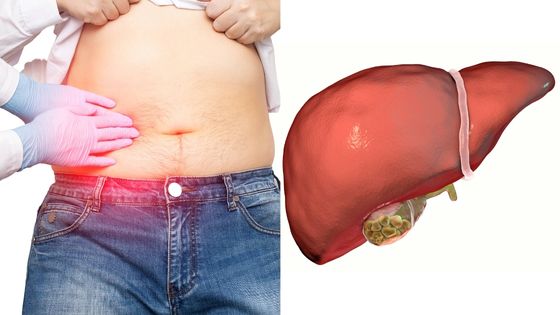
The gallbladder is a tiny organ located on the upper right abdomen. It is a pouch that carries bile juice. Bile is a greenish-yellow liquid that improves the digestion process. A person faces issues with the gallbladder when something starts blocking the bile duct. Usually, gallstone blocks the bile duct that is created when substances like cholesterol harden in bile.
Common symptoms of gallstones
A gallstone can cause severe pain in the right abdomen. People experience pain in their gallbladder when they eat food items carrying high fat. Some people may face pain almost every time they eat. If the pain seems severe then the person should talk to a homeopathy doctor New York. The pain due to gallstone usually occurs for a few hours but sometimes it may get severe.
If the gallstone is untreated then the person may face other symptoms such as:
- Rapid heartbeat
- Itchy skin
- High temperature
- Yellowing of the skin
- Chills
- Confusion
- Loss of appetite.
These can also be signs of other issues such as infection or inflammation in the gallbladder, pancreas, or liver. The symptoms of gallstones are very similar to some serious illnesses like pancreatitis and appendicitis. If you experience the symptoms very often then you should get a proper diagnosis. Gallstones themselves don’t cause any kind of pain but the pain occurs when these stones are blocking bile movement.
Common causes of gallstones
The main cause behind the formation of gallstones is the chemical imbalance of bile juice inside the gallbladder. This can occur due to:
Extra cholesterol in bile
The increased amount of cholesterol in bile can cause yellow cholesterol stones. The problem occurs when the liver makes too much cholesterol then the bile can dissolve.
Too much bilirubin in bile
Bilirubin is a chemical produced due to the normal breakdown of red blood cells. After creation, the bilirubin passes through the liver and leaves the body. But there are a few conditions such as liver damage or any kind of blood disorder that cause extra production of bilirubin in the body. Pigment gallstones form when the gallbladder is unable to break down the extra bilirubin. Pigment gallstones are dark black or brown.
Concentrated bile
Your gallbladder should empty its bile to function properly but sometimes it fails to empty the bile content. This bile becomes overly concentrated and results in stone formation.
Treatment options for gallstones
In most cases, a person doesn’t need any kind of treatment for gallstones. The person only seeks treatment when the stones start causing pain. Most times, these gallstones pass from the body without even noticing. If a person is experiencing pain, the doctor often recommends surgery. In some cases, doctors may recommend medications. If a person is at very high risk for surgery complications then the doctor may suggest a few nonsurgical methods to treat the gallstones. But in non-surgical methods, the gallstones may reappear after some time.
Surgery for gallstones
Cholecystectomy surgery is used where the surgeon removes the gallbladder from the body. This surgery is possible as the gallbladder is not a critical organ of the body. A person can live healthily even without a gallbladder.
Laparoscopic cholecystectomy: This surgery requires general anesthesia and the surgeon makes 3-4 incisions in the abdomen. He inserts a small device in one of the incisions and checks the stone. The surgeon removes the gallbladder carefully and then the person can go home after a day of surgery.
Open cholecystectomy: This surgery is performed when the gallbladder is inflamed or infected. Doctors mainly suggest this surgery if there is any problem with laparoscopic cholecystectomy.
After the surgery, the person can experience loose stools. After removing the gallbladder, the body has to reroute the bile from the liver to the small intestine. Now the bile doesn’t go to the gallbladder and becomes less concentrated. It causes some immediate effects like diarrhea.
Nonsurgical treatments for gallstones
The doctor recommends these treatment options only when the surgery can’t be performed. These treatment options are usually suggested to older people.
Shock wave lithotripsy: In this treatment, a lithotripter machine is used that generates shock waves that pass through a person. These shocks from the lithotripter machine break the gallstones into smaller pieces.
Oral dissolution therapy: In this therapy, doctors prescribe certain medications such as ursodiol and chenodiol to break the gallstones. These medications contain bile acids that break down the stone. Doctors suggest oral dissolution therapy to break down cholesterol stones.
Homeopathy: You can also try dynamic medications to treat your gallstones. The homeopath will ask certain questions regarding your diet and lifestyle. He will prescribe medications that can help in passing the gallstones and prevent a recurrence. These medications may take more time to treat but are fully safe and do not cause any harm to the body.
Percutaneous drainage of the gallbladder: In this treatment, a sterile needle is used to aspirate bile from the gallbladder. A tune is inserted for additional drainage as this therapy is only used when the person’s body is not suited for other procedures.
Common risk factors for gallstones
There are certain risk factors for gallstones related to diet, age, and genes.
Genetic risk: A person is at risk for gallstones if any person in his family has the same condition. Some other factors can be being female, or having of Native American or Mexican descent.
Lifestyle risk: If a person is obese or always eats a diet containing high fat or cholesterol and low fiber. You can also face gallstone issues when you are facing rapid weight loss or living with type 2 diabetes.
Medical risk factors: Being pregnant or living with cirrhosis. Taking medications to lower cholesterol or medications with high estrogen content can also increase the risk of getting gallstones. But you should not stop taking medicines without a doctor’s consultation.
Visit your doctor and ask for alternatives. Get a proper diagnosis and then look for treatment options for gallbladder. If the gallstone is not severe then you can also manage the condition by making some changes in diet.
 Dynamic Homeopath Blog
Leave a comment